
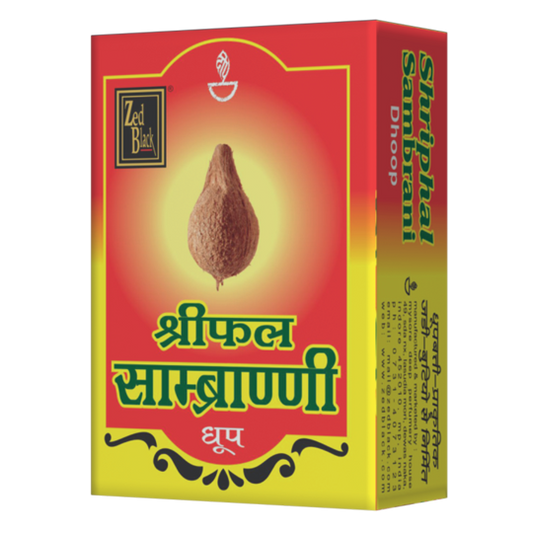
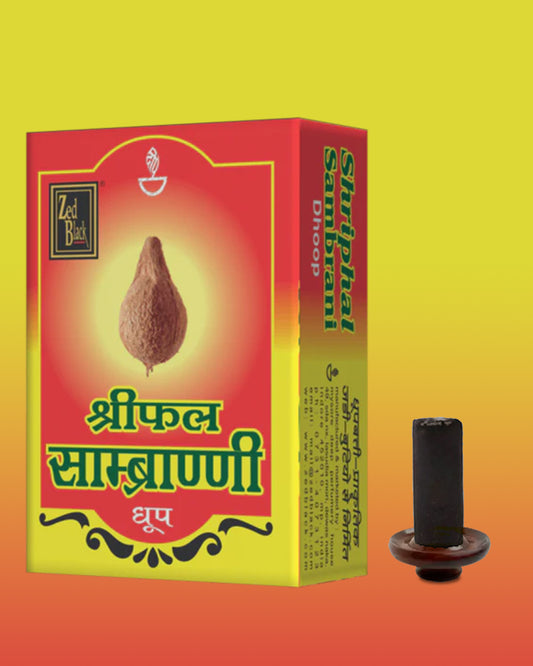


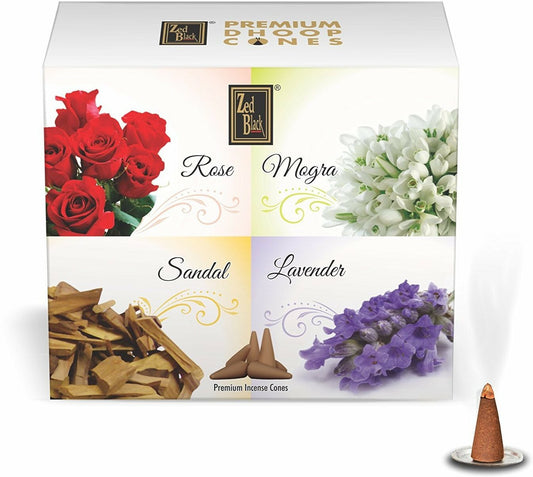
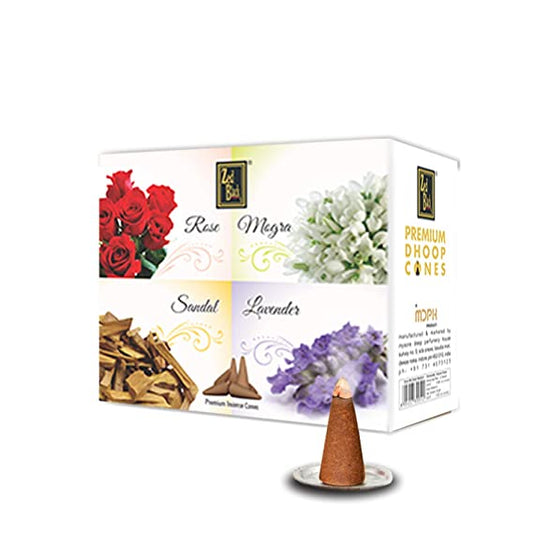





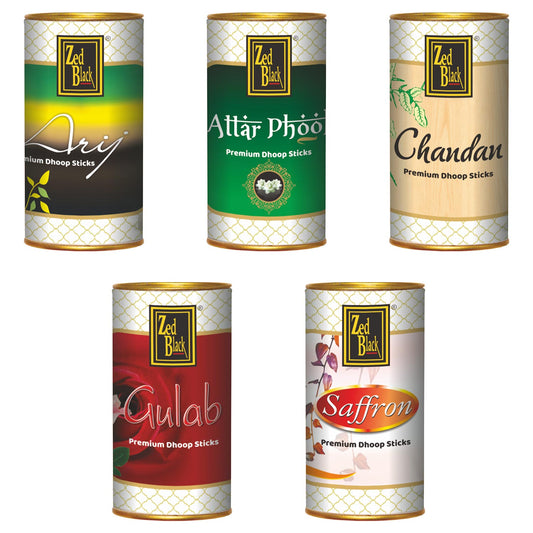





From morning prayers to moments of evening relaxation, dhoop batti has long been a subtle yet constant presence in everyday Indian life. Beyond its fragrance, it plays a deeper role in shaping a calm, composed atmosphere in the home.
In Indian culture, dhoop batti has been an integral part of daily rituals, meditation practices, and even home care routines for centuries. Its significance goes beyond fragrance, as it is believed to purify the environment and create a positive and calming atmosphere in living spaces.
What is Dhoop Batti Made Of?
The composition of dhoop batti plays a key role in its effectiveness. Traditionally, it is made from a blend of natural and aromatic ingredients, including:
-
Resins like guggul and loban - These provide a rich, smoky aroma and are traditionally associated with purification and ritual use.
-
Wood powders such as sandalwood - Known for their warm and earthy scent, they help create a long-lasting and grounding fragrance base.
-
Herbs and spices - These add depth and variation to the aroma, contributing to a more complex and balanced fragrance profile.
-
Essential oils for fragrance - Used to enhance and define the scent, offering different aromatic notes depending on the blend.
-
Binding agents - These help hold the mixture together and ensure a smooth, consistent burn.
These elements are carefully combined to produce a slow-burning incense that emits a dense and soothing aroma. The absence of bamboo ensures a cleaner burn and allows the natural fragrance of dhoop batti to stand out more prominently.

Uses of Dhoop Batti in Daily Life
1. Spiritual and Religious Practices
One of the most common uses of dhoop batti is during prayer rituals. It is considered an essential offering in temples and households. Lighting is believed to create a sacred ambiance and enhance the overall spiritual experience.
2. Meditation and Relaxation
The calming fragrance makes dhoop batti ideal for meditation, yoga, and relaxation. It supports better focus, reduces stress, and creates a peaceful setting for mindfulness practices.
3. Aromatherapy Benefits
Due to the presence of essential oils and herbs, dhoop batti also serves as a aromatherapy tool. Different fragrances can influence mood and mental clarity, making it useful for emotional balance.
4. Insect Repellent Properties
Certain varieties of dhoop batti are crafted using herbs that naturally repel insects. This makes them especially useful in the evening or in open spaces.
Importance of Dhoop Batti in Daily Life
1. Creates a Positive Environment
Using a dhoop batti regularly is associated with reducing negative energy and promoting positivity. The fragrance helps in uplifting mood and contributes to a sense of calmness and well-being.
2. Enhances Daily Rituals
In many households, lighting the dhoop batti is part of the daily routine. It adds a spiritual dimension to everyday life and helps maintain consistency in personal rituals.
3. Supports a Calm and Balanced Atmosphere
The fragrance of dhoop batti is often associated with creating a peaceful and composed environment. It is commonly used to enhance the overall ambiance during relaxation or daily rituals.
4. Cultural Significance
Dhoop batti holds deep cultural importance in India. It is widely used during festivals, ceremonies, and special occasions, symbolizing purity, devotion, and tradition.
Conclusion
Dhoop batti continues to hold a meaningful place in daily life by blending tradition with practical benefits. From enhancing spiritual rituals to improving the ambiance of living spaces, its uses are both diverse and deeply rooted in cultural practices. The natural composition and calming fragrance make it a preferred choice for those seeking a balance between wellness and tradition.
In today’s fast-paced lifestyle, incorporating dhoop batti into daily routines can offer moments of peace and mindfulness. Whether used during prayer, meditation, or simply to refresh the home environment, it contributes to creating a harmonious and soothing atmosphere. Its enduring relevance reflects not only its cultural importance but also its ability to adapt to modern needs while preserving its traditional essence.