

How to Find Reliable Incense Stick Suppliers in India for Bulk Orders
India has a long-standing association with incense, with its use extending across religious ceremonies, festivals, hospitality spaces and everyday household rituals. As demand reaches different markets, retailers, wholesalers, distributors and international buyers often look for dependable sourcing partners who can meet their requirements consistently.
However, choosing the right supplier involves more than comparing prices. Businesses need to consider product consistency, manufacturing capacity, packaging standards, order quantities and delivery timelines before committing to a long-term partnership.
For businesses exploring the market, identifying reliable Incense Stick Suppliers is an important step towards building a sustainable procurement process. A supplier who understands your business requirements can help simplify purchasing decisions and maintain a steady flow of products.
This guide explains the key factors to consider when selecting a supplier for bulk orders in India.
1. Understand Your Bulk Purchasing Requirements
Before approaching potential suppliers, take time to understand what your business needs. A retailer purchasing products for a few stores will have different requirements from a wholesaler supplying multiple cities or an international distributor serving an overseas market.
Start by defining your product preferences, expected order volume and target customers. Consider whether you need traditional fragrances, floral varieties, devotional products or premium packaging for specialised markets.
Your initial checklist should include:
-
Product range: Identify the fragrances, product formats and packaging options that suit your customers.
-
Order quantity: Estimate your monthly or quarterly purchasing requirements.
-
Target market: Consider whether you are selling through retail stores, online platforms, wholesale networks or international channels.
-
Budget: Establish a realistic purchasing budget without compromising essential quality requirements.
-
Delivery schedule: Determine how frequently you need replenishment and whether your supplier can meet those timelines.
Having these details ready makes discussions more productive. It also helps you compare different suppliers using the same criteria rather than making decisions based on price alone.
2. Evaluate Manufacturing Capacity and Product Consistency
One of the most important considerations when selecting Incense Stick Suppliers is their ability to handle bulk orders without compromising consistency.
Imagine a distributor receiving a large order just before a major festival. The products arrive on time but the packaging differs from the approved sample and some fragrances are noticeably different from the previous shipment. Even when the order quantity is correct, such inconsistencies can create difficulties for the distributor and its retail partners.
This is why buyers should evaluate a supplier's manufacturing infrastructure and quality-control procedures before placing a substantial order.
Ask potential suppliers about their production capacity, standard manufacturing timelines and procedures for checking finished products. Request samples where possible and review the packaging, fragrance consistency, labelling and overall presentation.
It is also useful to understand how the supplier manages unexpected demand during festive periods. A manufacturer with suitable production planning can be better positioned to manage changing order volumes.
For long-term partnerships, look beyond individual samples. Your goal should be to find a supplier that can maintain consistent standards across repeat orders.

3. Compare Pricing, Minimum Order Quantities and Payment Terms
Price is an important factor in bulk procurement, but the lowest quotation does not always represent the most suitable deal.
When comparing Incense Stick Suppliers, ask for a detailed quotation that explains the costs associated with your order. Depending on the arrangement, these may include product pricing, packaging, transportation, taxes and other applicable charges.
Pay attention to the following factors:
-
Minimum order quantity (MOQ): Confirm the minimum quantity required for each product or fragrance.
-
Bulk pricing: Ask whether larger orders qualify for different price brackets.
-
Payment terms: Understand advance payments, credit arrangements where available and payment milestones.
-
Packaging costs: Check whether customised branding or packaging requires additional investment.
-
Shipping expenses: Establish who is responsible for transportation and related charges.
-
Replacement policy: Clarify how shortages, damaged products or incorrect deliveries are handled.
Comparing quotations on an equivalent basis gives you a clearer picture of the actual procurement cost.
A slightly higher price may be reasonable if it comes with dependable delivery schedules, suitable packaging and clear communication. Ultimately, the right purchasing decision should support your business margins while meeting customer expectations.
4. Check Documentation, Market Experience and Export Capabilities
For domestic buyers, verifying a supplier's business credentials and documentation is an essential part of the selection process. Depending on the transaction, you may need GST details, business registration information, tax invoices and other relevant records.
International buyers have additional considerations. When working with an agarbatti exporter, confirm whether the supplier can support your destination market's applicable documentation, packaging, labelling and shipping requirements.
You should also discuss export experience, shipping arrangements and the expected delivery timeline before finalising the order.
Useful questions to ask include:
-
Which domestic markets or international destinations does the supplier serve?
-
Can the supplier provide the documents required for your transaction?
-
Are product labels and packaging suitable for the destination market?
-
What shipping methods and delivery terms are available?
-
Can the supplier share references or verifiable information about previous business engagements?
A supplier's experience can offer useful context, but it should not replace independent verification. Review the information provided and make sure the commercial terms are documented clearly.
These checks help buyers distinguish between businesses that can fulfil an occasional order and those equipped to support an ongoing supply relationship.
5. Review Communication, Packaging and Delivery Reliability
A successful supplier relationship depends on more than manufacturing. Communication and order management also play an important role in day-to-day business operations.
Reliable Incense Stick Suppliers should be able to explain their ordering process, provide realistic timelines and communicate promptly when requirements or schedules change.
Before placing a large order, discuss how purchase orders are confirmed, how production progress is communicated and how dispatch information is shared. If you require private-label products, request approval of the final packaging design before production begins.
Packaging deserves particular attention because it influences product presentation and transportation. Check whether cartons are suitable for the planned shipping method and whether the labels contain the information required for your market.
For international orders, discuss carton dimensions, shipment consolidation and the documentation needed for customs clearance.
It is also sensible to begin with a manageable order when practical. A smaller initial transaction allows you to evaluate product consistency, responsiveness and delivery performance before committing to larger volumes.
Once the supplier meets your expectations, documented processes and regular communication can make repeat purchasing more efficient.
6. Why Zed Black Is Worth Considering for Bulk Sourcing
For buyers evaluating established Incense Stick Suppliers in India, manufacturing scale, distribution reach and export experience are useful factors to examine.
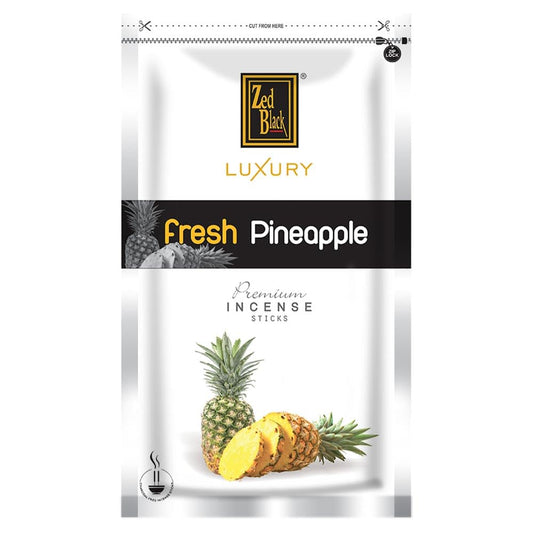
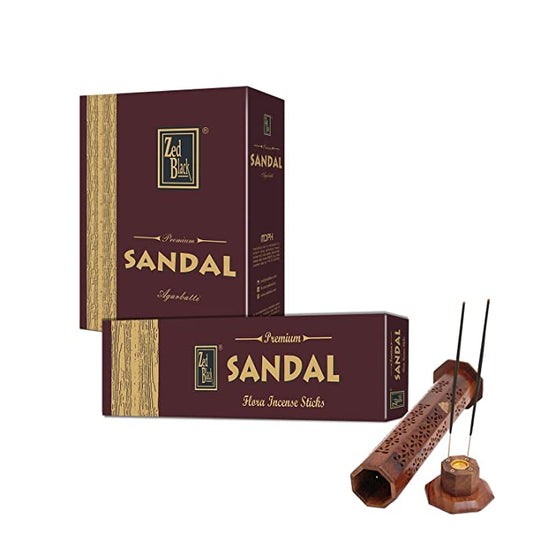
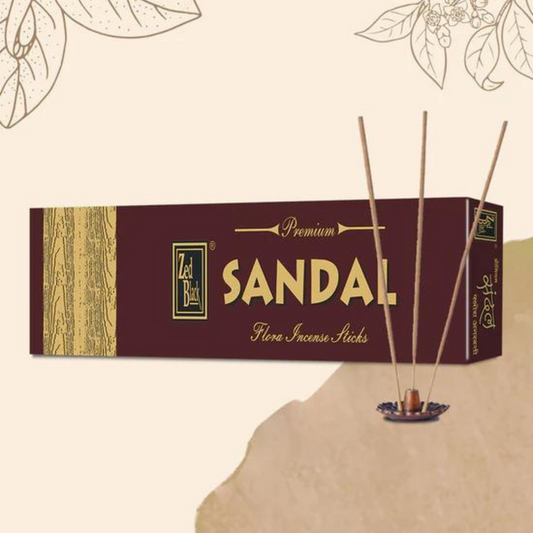
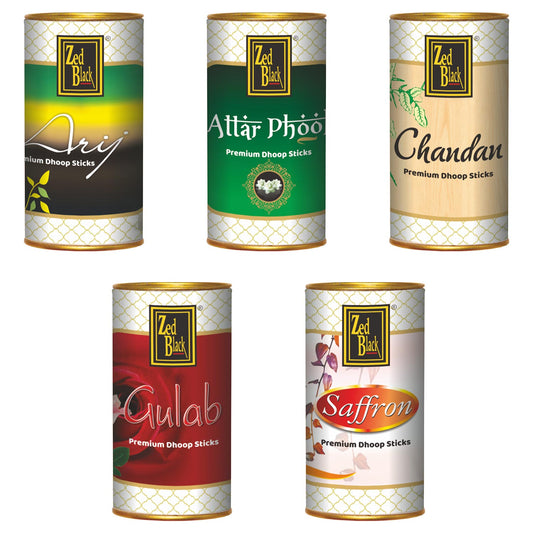
Zed Black, a brand of Mysore Deep Perfumery House (MDPH), has developed an extensive manufacturing and distribution network serving domestic and international markets. Its business journey includes its first export to Mauritius in 2012, followed by expansion into additional international markets.
The company's published business figures highlight the scale of its operations:
-
45 countries served through exports.
-
35 million incense sticks manufactured every day.
-
1.8+ million retail packs sold daily.
-
39 company-owned depots across India.
-
3,500+ authorised distributors.
-
10 lakh sq. ft. of manufacturing area.
-
80% of employees are women.
These figures provide insight into the company's operational scale and market presence. For bulk buyers, manufacturing capacity and an established distribution network are relevant considerations when evaluating a potential sourcing partner.
Businesses interested in working with Zed Black can enquire about product availability, bulk purchasing requirements and export opportunities directly.
For bulk and export enquiries: exports@zedblack.com
Before finalising any order, buyers should discuss their specific requirements, commercial terms, product availability and delivery expectations with the company's team.
“A reliable supplier is not just a source of products but a partner in business growth.”
Conclusion
Finding the right supplier for bulk purchases requires careful evaluation rather than relying on a single factor. Product consistency, manufacturing capacity, pricing transparency, documentation and delivery reliability all contribute to a successful sourcing decision.
Start by defining your purchasing requirements, shortlist suppliers with relevant experience and compare their capabilities using clear criteria. Request samples where possible and consider an initial order to assess performance before establishing a long-term arrangement.
Whether you are a retailer, wholesaler, distributor or international buyer, investing time in supplier verification can help you manage procurement more effectively.
The most suitable Incense Stick Suppliers are those whose capabilities align with your business requirements and whose performance remains dependable as your orders grow.
Frequently Asked Questions (FAQs)
1. How can I find reliable Incense Stick Suppliers in India?
Research manufacturers, verify their business credentials, request product samples and compare pricing, production capacity and delivery terms before placing a bulk order.
2. What is the minimum order quantity for bulk incense sticks?
The minimum order quantity varies by supplier, product type and packaging requirements. Contact the supplier to confirm the applicable MOQ.
3. What should I check before placing a bulk order?
Review product consistency, packaging, pricing, payment terms, manufacturing capacity and delivery schedules. Request samples and clarify the supplier's replacement policy.
4. Can I source incense sticks from India for international markets?
Yes. Many Indian manufacturers serve international buyers. Confirm export experience, destination-specific documentation, labelling requirements and shipping arrangements before ordering.
5. Why should bulk buyers consider Zed Black as a supplier?
Zed Black, a brand of MDPH, reports manufacturing capacity of 35 million incense sticks daily and exports to 45 countries. Buyers can contact exports@zedblack.com to discuss their specific sourcing requirements.