


Long before fragrance became a packaged product, incense was already part of everyday life across the Indian subcontinent. Walk into almost any home at dusk, and you may catch a soft curl rising from a small holder placed near a photograph or an idol. It is such a familiar sight that most people rarely pause to ask where this habit began or why it became so closely connected with religious rituals and festivals.
That connection has carried through generations, tying the tradition to moments of prayer, celebration and togetherness. This piece traces that journey, from ancient fire offerings to the bambooless incense stick options many households reach for today.
A Fragrant Trail Through Time
The story stretches back thousands of years, well before it took the shape of the slim stick most people picture today. Early references appear in Vedic texts, where substances such as sandalwood, guggal and camphor were offered into ritual fires as part of yajna ceremonies. Their fragrance was traditionally associated with offerings made during worship. The word "incense" comes from the Latin word incendere, meaning "to burn."
This practice later extended to a wider range of aromatic woods, herbs and resins used in everyday rituals. Over time, these traditions moved from formal ceremonies into household worship. Convenient sticks and other formats made it easier for families to continue the practice during daily prayers and special occasions.
Incense in Religious History and Scripture
The use of fragrant offerings appears across several religious traditions, although the customs and significance vary between communities. For generations, it has been commonly used during puja, havan and other devotional practices. Lighting a stick before prayer can become a small but meaningful ritual that marks a transition from everyday activity to a more composed moment.
-
Hinduism: Used during puja as one of the traditional offerings made to a deity, alongside light, water and flowers.
-
Buddhism: Associated with meditation, offerings and quiet reflection within various Buddhist traditions.
-
Jainism: Used in certain temple rituals and worship practices, with customs varying between communities.
-
Sikhism: Fragrant materials may be used in some cultural or household settings, although they are not a central element of Sikh worship.
-
Christianity: Frankincense and other resins have a documented role in liturgical ceremonies within Catholic and Orthodox traditions.
-
Islam: Bakhoor, loban and other fragrant materials are used in some Indian Muslim households and at certain dargahs as part of regional and cultural practices.
Across these traditions, the practice often marks a particular moment: the beginning of prayer, a pause for reflection or the close of a ceremony. The choice of fragrance and format generally depends on the occasion, family customs and personal preference.
Incense and India's Festivals
If religious ritual gave this tradition a long-standing place in Indian culture, festivals helped carry it into homes and community celebrations.
-
Diwali: Dhoop and agarbatti are commonly used during Lakshmi-Ganesh puja and other household devotional practices. Their use varies across regions and families.
-
Navratri and Durga Puja: Fragrant offerings are commonly included in puja and aarti in many Hindu households and temples. Specific practices differ by region and tradition.
-
Ganesh Chaturthi: Many devotees use agarbatti during daily puja and aarti throughout the festival.
-
Janmashtami: It may accompany Krishna puja and aarti as part of household worship.
-
Christmas: In several Indian Christian traditions, including Catholic and Orthodox communities, fragrant resins may be used during church liturgies. The practice depends on the denomination and particular service.
-
Eid: Fragrant preparations such as bakhoor may be used in some Indian Muslim households as part of home and festive customs. They are not a universal element of Eid worship.
Many households continue the habit beyond festival seasons, using a stick during morning or evening prayer as part of a familiar daily routine.
The Rise of Bambooless Incense Stick
For much of its modern history, the familiar agarbatti has been built around a thin bamboo core, with a fragrant paste rolled around it. In recent years, the bambooless incense stick format has also found its place in the market. Instead of a bamboo centre, the composition itself forms the body of the stick, giving it a different structure and finish.
A bambooless incense stick can be found across different fragrance profiles and pack formats. Preference between conventional and bambooless varieties often comes down to individual habits, the occasion and the format people are accustomed to using.
A Name Built Around This Craft
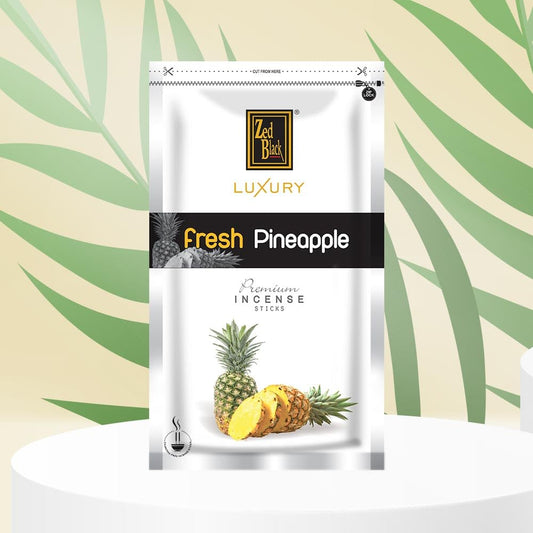
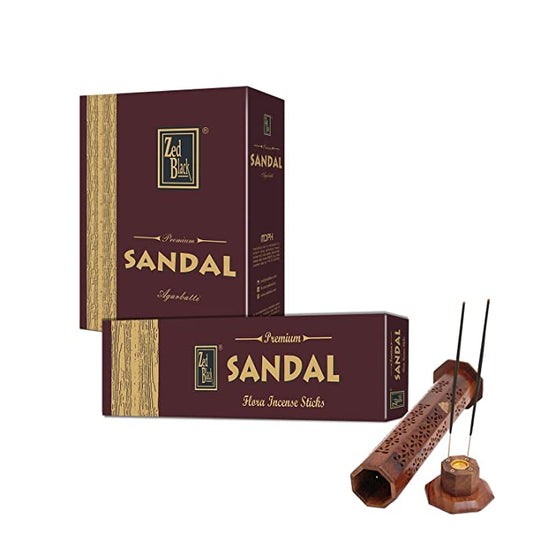
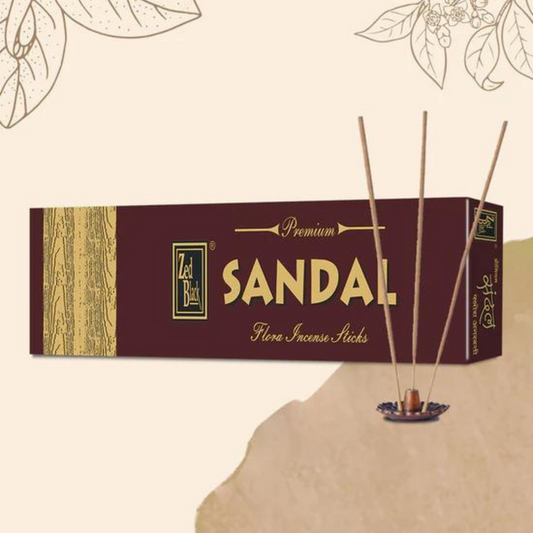
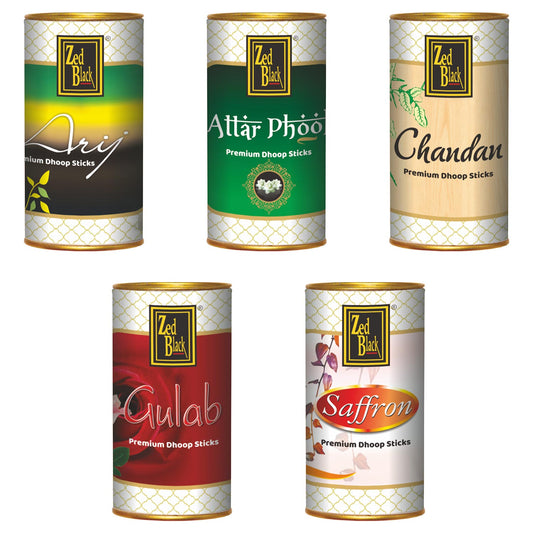
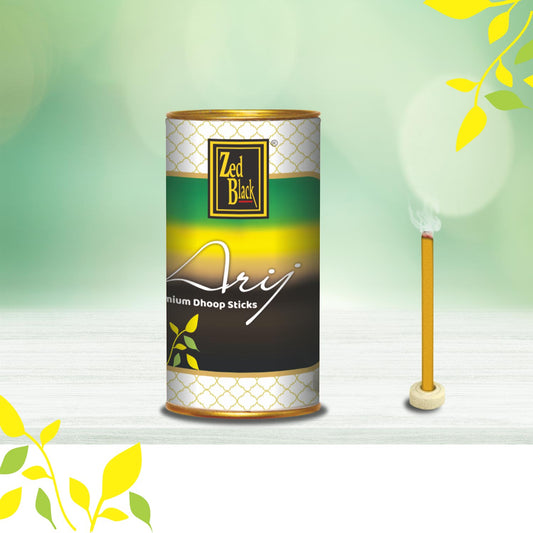
Zed Black has built a long-standing presence in this space, with a scale that reflects decades of focus on incense manufacturing. The brand exports to 45 countries, including the USA, Brazil, Saudi Arabia and Nepal, and manufactures more than 35 million sticks daily across a 10 lakh square foot footprint, moving over 1.8 million retail packs through 39 company-owned depots and 3,500-plus authorised distributors.
This scale sits behind both its traditional bamboo-based range and its bambooless incense stick line, placing it among the best agarbatti options many households already know. For queries, write to info@zedblack.com, and for export enquiries, reach out to exports@zedblack.com.
A Quiet Continuity
The story of this tradition in India is not limited to ancient texts or ceremonial spaces. It has gradually become part of household routines, festive preparations and personal moments of worship.
Whether used during a larger ritual or a short evening prayer, a familiar fragrance can mark a small pause in the day. From traditional offerings to today's bambooless agarbatti formats, the practice continues to evolve while remaining connected to customs passed down through generations.
FAQs
Is agarbatti the same as incense?
Agarbatti is a stick form of incense commonly used in India, usually built around a bamboo or bambooless core.
What is the difference between dhoop and agarbatti?
Dhoop is typically thicker and stickless, while agarbatti is a thin stick, often built on a bamboo or bambooless core.
Why is incense lit during puja?
It is traditionally believed to mark the start of worship and accompany offerings made to a deity.
What is a bambooless incense stick?
It is an incense stick made without a bamboo core, often chosen for its burn behaviour and finish.
What is incense used for in Indian traditions?
It is commonly used during puja, prayer, havan and festive rituals.