



Agarbatti has been part of Indian homes and traditions for generations. From the first few minutes of a morning puja to festive celebrations in the evening, its fragrance often becomes part of the atmosphere. But with so many varieties available today, choosing the best agarbatti can sometimes feel confusing.
The best agarbatti is not necessarily the strongest one or the most expensive one. The right choice depends on the occasion, personal preference and the kind of fragrance you want around you. Some aromas feel floral and delicate, while others are warm, woody or traditionally associated with worship and festive rituals.
This guide walks you through how to choose the best agarbatti in India for different occasions, helping you make a more informed decision based on fragrance profile and everyday use.
Best Agarbatti for Puja and Traditional Rituals
Puja is where agarbatti feels most at home. Sandalwood, camphor, guggal and loban have been part of this ritual for generations, each one lending the ritual its own character, warm and woody, sharp and clarifying, deep and resinous, smoky and rich.
A household that has used the same fragrance for years often finds that the aroma itself becomes part of the recognition, the mind settling into ritual mode the moment the smoke aroma rises. Switching fragrances for puja tends to feel like a bigger decision than it looks, since it disturbs a rhythm that already works.
For puja, the best agarbatti is usually the one that feels familiar rather than the one that burns strongest. These associations rest on tradition and personal preference rather than any proven outcome, yet for most families, the fragrance has simply become part of how the ritual is done.
Agarbatti for Festivals and Celebrations
Festivals bring colour, lights, guests and a rhythm all their own, and fragrance is the small detail that quietly ties it together. Floral profiles tend to be the first pick for these occasions, familiar and easy to like the moment a guest walks in, rose bringing a widely liked warmth, mogra leaning sweeter as evening festivities settle in and jasmine-inspired blends adding a fresh, lighter note to the mix.
Timing plays its part too. A softer floral note suits a bright, busy daytime celebration, while a deeper floral or woody profile fits an evening gathering once the lights are on and the mood has settled into something a little richer.
Fragrance for Morning Rituals
There is something familiar about starting the day with a small household ritual, a diya lit, a prayer begun, the fragrance of agarbatti slowly settling into the room before the rest of the house has properly woken up.
Mornings tend to call for something balanced rather than intense. Sandalwood remains the classic choice here, its warm, woody character carrying a long-standing connection with Indian tradition. Floral notes work just as well for those who prefer something lighter, with rose and jasmine-based profiles offering a gentler direction while still feeling familiar.
The best agarbatti for a morning routine really comes down to personal taste. Some reach for the fragrance that reminds them of family rituals, while others enjoy trying newer combinations as the routine evolves.
Best Agarbatti for Quiet Evenings and Personal Spaces
Evenings carry a different character altogether. The day begins to slow down, the house grows quieter and familiar routines quietly take over from wherever the morning left off.
This is where deeper fragrance profiles tend to find their place. Sandalwood, loban and other woody or resin-inspired notes often complement an evening puja, their richer character settling naturally into a calmer, less crowded room.
There is no fixed rule about which fragrance belongs to the evening, though. Someone who leans toward floral aromas may still reach for rose or mogra instead, and that is just as fitting. The best agarbatti, at this hour, is simply the one that matches the person lighting it and slips comfortably into the routine already in place.
What Sits Behind a Trusted Name
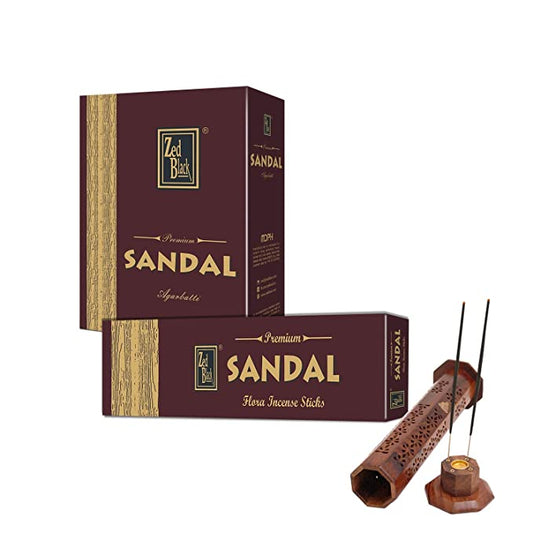
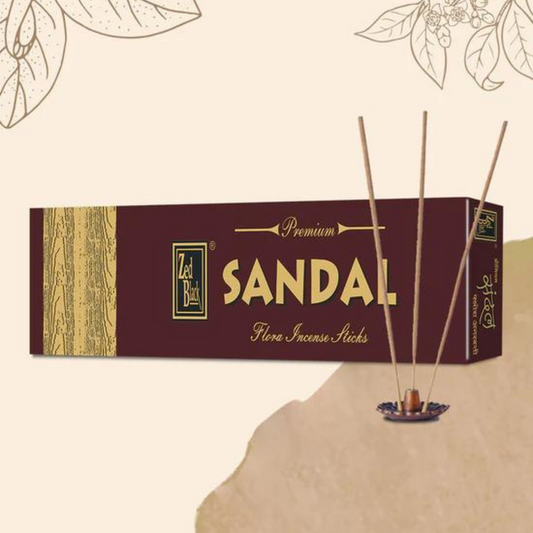
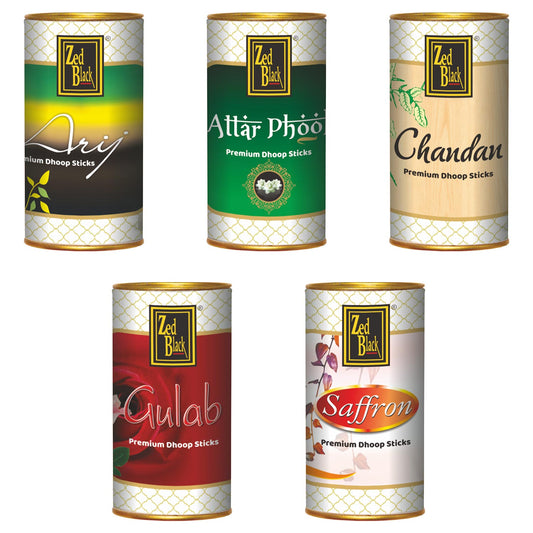
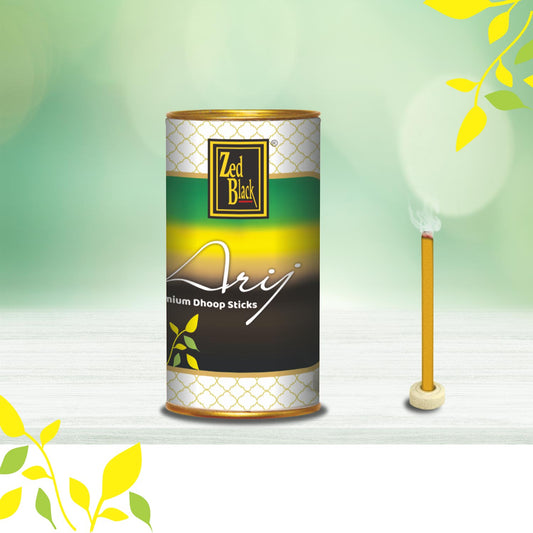
Across the fragrances and occasions discussed here, Zed Black, under MDPH, offers a wide range of incense options shaped around different preferences and rituals. Rather than focusing on one particular fragrance, its range brings together familiar profiles suited to occasions ranging from everyday puja to festive gatherings and quiet evenings. The focus remains on delivering a consistent burning experience and fragrance character across different varieties.
That consistency comes from scale: over 35 million incense sticks produced daily across more than 10 lakh square feet, reaching households through depots and distributors nationwide. It is this steadiness, more than anything else, that quietly earns a place on repeat shopping lists, and often makes it the name people default to when asked what the best agarbatti on their shelf actually is.
Frequently Asked Questions
How do I choose the best agarbatti for different occasions?
Choose based on the occasion and your fragrance preference. Floral fragrances can suit celebrations, while woody or traditional profiles are often preferred for puja.
Does Zed Black offer fragrances for different occasions?
Yes. Zed Black offers a variety of fragrance profiles suitable for traditional rituals, festive occasions and everyday use.
Which fragrance is considered the best agarbatti for puja?
Sandalwood, camphor, guggal and loban are commonly associated with puja. The right choice ultimately depends on personal and family preference.
Is there one fragrance that qualifies as the best agarbatti overall?
No single fragrance works for everyone. The best agarbatti is usually the one that fits the occasion and matches personal preference rather than a fixed formula.
Which is the best agarbatti brand in India?
Preference varies by household, but brands known for consistent burn quality and a wide fragrance range, such as Zed Black under MDPH, are commonly mentioned when this comes up.
Is it okay to burn agarbatti daily at home?
Many households light agarbatti daily as part of their routine. Its fragrance is often associated with creating a positive, pure and pleasant atmosphere around the home. Keeping the room ventilated and avoiding very small, closed spaces is also a common practice.
What fragrance is best for festivals like Diwali or Navratri?
Bolder, layered notes such as rose, mogra or woody blends are commonly preferred for festivals since they can hold their own in a busier, more decorated space.