




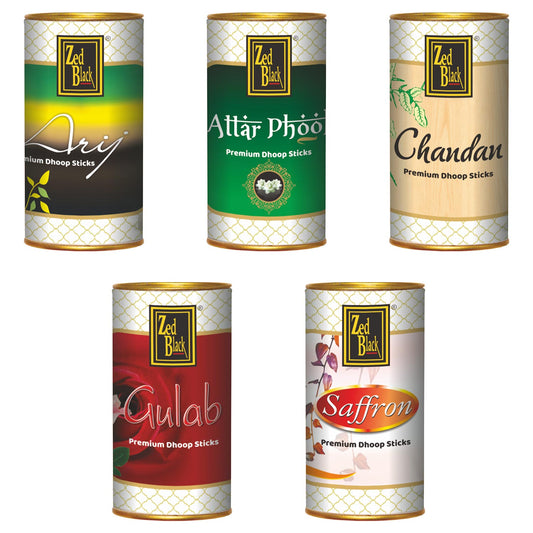
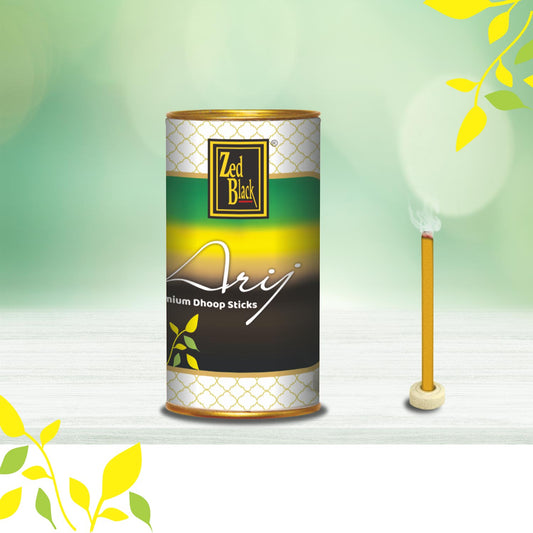


In many Indian homes, lighting dhoop is simply a part of the pooja routine. Someone lights the diya, offers flowers, rings the bell, and then lights the dhoop. Within moments, its familiar fragrance fills the pooja space.
We often follow these rituals because we have seen our parents and grandparents do the same. But behind this simple tradition is a beautiful thought.
For generations, dhoop has been associated with devotion, purity and positive surroundings. Whether it is part of everyday morning pooja or a special festival celebration, lighting dhoop adds another meaningful touch to the ritual.
So, why exactly is dhoop batti used in pooja? And what does this age-old tradition represent? Let’s understand its religious significance in a simple way.
The Religious Significance
Dhoop has been a part of Indian worship traditions for centuries, with fragrant substances traditionally offered during prayers and religious ceremonies. In many Hindu rituals, fragrance is considered an important part of creating a sacred and respectful setting for worship.
Traditionally, fragrant materials such as resins, herbs, woods and other aromatic substances were burned as part of ritual practices. The rising fragrance and smoke became associated with offerings made during worship, while also marking the transition from everyday activities to a dedicated time of prayer.
In Hindu traditions, fragrance is also closely connected with ideas of purity, devotion and reverence. Lighting it during pooja is therefore not simply about filling the space with a pleasant aroma. It represents an offering and forms part of the sensory experience of worship, alongside elements such as flowers, lamps, water and sacred sounds.
Over generations, this practice has continued in homes and temples across India. From daily pooja to festivals and special religious ceremonies, lighting it remains a familiar ritual that connects present-day worship with long-standing traditions.
Why Is Dhoop Batti Used During Pooja?
There are several reasons why this traditional practice has continued to be a part of pooja rituals:
-
Creates a devotional atmosphere: Its fragrance makes the pooja space feel peaceful and inviting.
-
Symbolises purity Purification: Its fragrance has traditionally been an important element of worship and sacred rituals. Lighting dhoop has traditionally marked the preparation of a sacred space, drawing on its long-standing association with purification in Indian worship.
-
Helps create a calm setting: The familiar aroma can make prayer and meditation feel more relaxing and focused.
-
Completes the pooja ritual: Lighting dhoop is a traditional step in many families’ daily worship routines.
-
Keeps traditions alive: From grandparents to parents and children, the practice connects generations through a shared ritual.
A Simple Ritual With a Deeper Meaning
Think about a festival morning at home. The house is decorated with flowers, the pooja thali is ready and everyone gathers around the mandir. As the dhoop batti is lit, its fragrance becomes part of that moment.
Years later, even the same fragrance can bring back memories of those mornings.
It is not only about fragrance, but it is also about the feeling that comes with the ritual - the feeling of devotion, togetherness and connection with traditions.
How to Use Dhoop Batti in Pooja
Making it a part of your pooja routine is simple:
-
Keep your pooja space clean and ready.
-
Light it carefully.
-
Place it securely in a suitable dhoop batti holder.
-
Let the fragrance gently spread around the pooja area.
-
Continue with your prayers, aarti or meditation.
A Fragrant Tradition That Continues
Dhoop Batti is used during pooja to create a pure, fragrant and peaceful atmosphere for prayer. Its fragrance marks the beginning of a spiritual moment and helps make the pooja space feel special.
From a simple morning pooja to a grand festival celebration, it has remained a familiar part of Indian worship traditions.
Its fragrance adds warmth to the pooja space, while the ritual itself reminds us of something simple: sometimes, the smallest traditions are the ones that stay with us for generations.
Frequently Asked Questions
1. Why is dhoop batti used in Hindu pooja?
It is traditionally used to create a fragrant and devotional atmosphere during pooja. It is associated with purity, prayer and spiritual traditions.
2. Can dhoop batti be used for daily pooja?
Yes. Many families use it during their morning or evening pooja as part of their regular worship routine.
3. What is the difference between dhoop batti and agarbatti?
Both are commonly used during pooja for their fragrance. Dhoop batti generally offers a richer fragrance, while agarbatti is usually a thinner incense stick with a comparatively lighter aroma.
4. When can dhoop batti be used?
You can use it during daily pooja, aarti, meditation, and special occasions such as festivals and religious celebrations, depending on personal or family traditions.