




Fragrance has always played an important role in daily life, especially in Indian households where spiritual practices and rituals are deeply rooted in tradition. Among the most commonly used aromatic products are dhoop and agarbatti. While they are often used interchangeably, both have distinct characteristics, compositions, and purposes. Understanding these differences helps in choosing the right option based on personal preferences and usage.
Both dhoop and agarbatti are forms of incense designed to release pleasant aromas when burned. They are widely used in homes, पूजा rituals, meditation practices, and even for relaxation after a long day. Beyond their spiritual significance, they also help create a calming and refreshing indoor environment.
Agarbatti: Composition, Types, and Uses
What is Agarbatti?
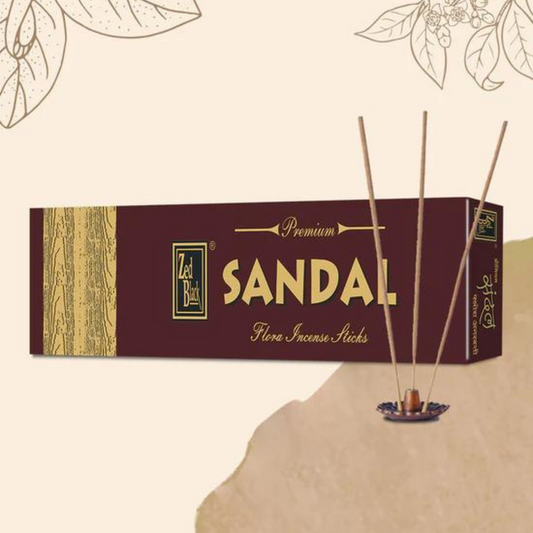
Agarbatti, commonly known as an incense stick, is a thin stick coated with a mixture of fragrant ingredients. It typically has a bamboo core that supports the incense material. When lit, it burns slowly and releases a steady fragrance, making it suitable for daily use.
Agarbatti is widely preferred for its ease of use, variety of fragrances, and long burning time. It is often considered the best incense option for households seeking a consistent, mild aroma.
Composition of Agarbatti
The quality and fragrance of agarbatti depend on the ingredients used in its composition. Traditional formulations focus on aromatic elements, while modern variants may include additional fragrance compounds.
Common components include:
● Bamboo stick - Acts as the base structure
● Incense base powder - Helps in smooth burning
● Wood powder - Provides a smooth base and supports fragrance release
● Resins - Provide depth to fragrance
● Essential oils or perfumes - Create specific scents like rose, lavender, or jasmine
● Binding agents - Ensure the mixture sticks to the bamboo core
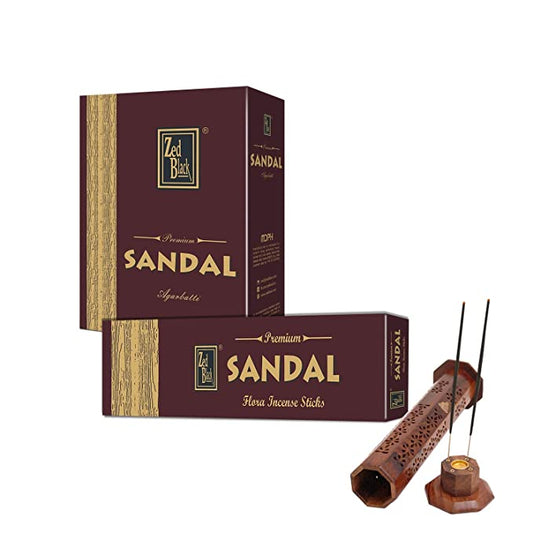
The balance of these ingredients determines whether the product falls under premium or regular categories. High-quality options are often referred to as the best agarbattis due to their longer-lasting and more natural fragrance, like Zed black 3-in-1 Premium Agarbatti.
Types of Agarbatti
There are several types available, each designed for different preferences and uses:
● Masala agarbatti
Prepared using a traditional mixing process, these incense sticks deliver a rich and layered fragrance that is often preferred for regular पूजा and daily use.
● Charcoal agarbatti
These are made using a charcoal-based core, allowing a stronger and more noticeable fragrance experience , commonly used where a more intense aroma is preferred.
● Flora agarbatti
Developed with modern fragrance blending techniques, these sticks provide a smooth and consistent scent experience that lasts throughout the burning time.
● Bamboo-less agarbatti
These incense sticks do not use a bamboo core, resulting in less smoke from the base and a more uniform fragrance release during burning.
● Herbal agarbatti
These are prepared using a mix of aromatic blends and oils, often chosen for relaxation, meditation, and calming environments.
Uses of Agarbatti
Agarbatti is versatile and suitable for multiple daily applications:
● Religious rituals
Used during prayers and ceremonies to create a sacred atmosphere.
● Meditation and yoga
Helps enhance focus and create a calming atmosphere.
● Home fragrance
Acts as an air freshener, making spaces more inviting.
● Stress relief
Certain fragrances promote relaxation and mental clarity.
● Daily routine enhancement
Lighting an incense stick can become a mindful daily routine
Because of its mild and consistent fragrance, agarbatti is ideal for prolonged use without overwhelming the senses.

Dhoop: Composition, Types and Uses
What is Dhoop?
Dhoop is a more concentrated form of incense that does not use a bamboo stick. It is typically available in cone or solid stick form and produces a thicker, more intense fragrance when burned. Dhoop is commonly used in religious rituals where a stronger aroma is preferred.
Unlike agarbatti, dhoop burns faster but releases a more powerful fragrance , making it suitable for specific occasions or short-duration use.
Composition of Dhoop
Dhoop is made using a blend of natural and aromatic materials, often without the need for a supporting stick. Its composition is focused on producing a dense and long-lasting fragrance
Key ingredients include:
● Herbal powders - Adds depth and balance to the fragrance blend
● Resins (like guggal or loban) - Provide a rich, traditional aroma
● Wood powders - Such as sandalwood for depth
● Essential oils - Enhance fragrance intensity
● Natural binders - Help shape cones or sticks
Since dhoop does not contain a bamboo core, it produces more smoke and a stronger fragrance compared to agarbatti. This makes it a preferred choice during rituals that require a more immersive aromatic experience.
Types of Dhoop
Dhoop is available in different forms, each catering to specific uses:
● Dhoop cones
Dhoop cones are easy to use and widely popular; they are shaped for steady burning and strong fragrance release.
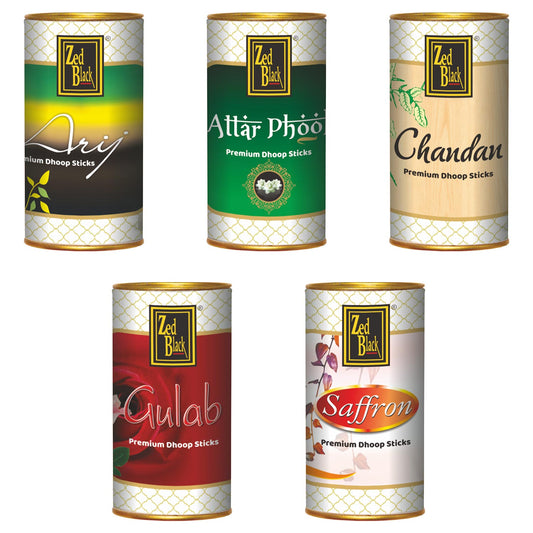
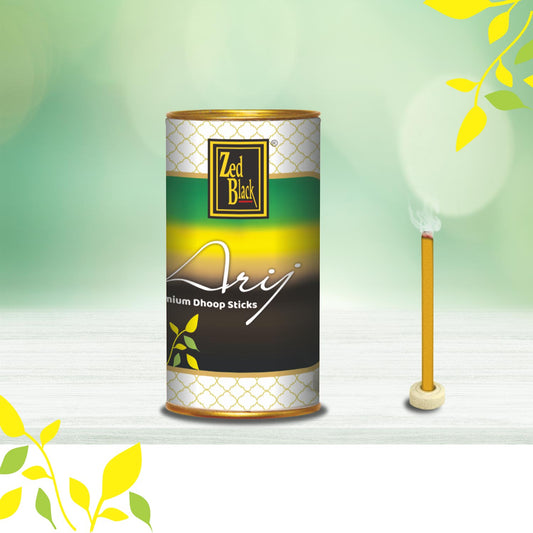
● Dhoop sticks (bamboo-less)
Similar to agarbatti but without a bamboo core, offering a more intense aroma.
● Sambrani dhoop
Made using benzoin resin, which is often used for traditional rituals and space purification.
● Herbal dhoop
Prepared using medicinal herbs and plant-based ingredients for a soothing effect.
● Cup dhoop
Comes in a ready-to-use cup form, convenient and mess-free.

Uses of Dhoop
Dhoop is primarily used for purposes that require a stronger aromatic presence:
● Spiritual rituals and ceremonies
Ideal for aarti and special पूजा practices due to its intense fragrance.
● Space purification
Traditionally believed to cleanse the environment and remove negative energy.[1]
● Occasional use
Best suited for short-term use due to its strong scent.
● Festive occasions
Enhances the atmosphere during celebrations and gatherings.
● Traditional practices
Used in various cultural rituals passed down through generations.
Because of its concentrated nature, dhoop is typically used in well-ventilated areas to balance its intensity.
Key Differences Between Agarbatti and Dhoop
While both serve similar purposes, understanding their differences helps in making the right choice:
● Structure
Agarbatti has a bamboo core, while dhoop is usually bamboo-less.
● Fragrance intensity Agarbatti offers a mild scent, whereas dhoop provides a stronger aroma.
● Burning time
Agarbatti burns longer; dhoop burns faster but more intensely.
● Usage
Agarbatti is ideal for daily use, while dhoop is better for rituals and occasional use.
● Smoke output
Dhoop produces more smoke compared to agarbatti.
Choosing the Right Option for Your Needs
Selecting between dhoop and agarbatti depends on your preferences and purpose:
● For daily rituals and home fragrance, agarbatti is a practical choice due to its balanced aroma.
● For spiritual ceremonies or when a stronger fragrance is needed, dhoop is more suitable.
● For relaxation or meditation, mild and natural fragrances work best.
Exploring different fragrances and compositions can help identify what works best for your environment and lifestyle. Many people experiment with both to create a balanced aromatic experience.
Conclusion
Dhoop and agarbatti are essential elements of traditional and modern lifestyles, offering both spiritual and practical value. While they share the common purpose of releasing fragrance, their composition, types, and uses differ significantly.
Agarbatti stands out for its ease of use, variety, and suitability for daily routines, making it a preferred incense stick for households. On the other hand, dhoop offers a more intense aromatic experience, ideal for rituals and special occasions.
Understanding these differences allows you to use each effectively based on your needs. Whether you are looking to enhance your daily rituals, create a peaceful environment, or simply enjoy a pleasant fragrance, both options have their unique place. By choosing the right type and composition, you can make the most of what dhoop and agarbatti have to offer.